Unattended remote support lets your IT team access and troubleshoot computers without someone at the other end accepting each connection. Once the software is installed and access is authorized, technicians can connect again for routine maintenance, after-hours support, or troubleshooting.
For businesses managing computers across offices or customer locations, this means less time coordinating support sessions. RemoteToPC combines unattended remote access with computer-based pricing, plus unlimited user accounts and remote sessions on Teams and IT plans.
This guide explains how unattended support works, how to set it up, and which security controls to consider before giving technicians access.
What is Unattended Support?
Unattended support is a form of remote IT support that uses software installed on a computer to give authorized technicians ongoing access. Unlike attended support, it does not require the person using that computer to accept each session.
For example, an IT technician can connect to an office PC after business hours to troubleshoot an application, transfer files, or perform maintenance. The computer must be powered on, connected to the internet, and configured to allow access.
Unattended remote access is useful for internal IT teams supporting multiple offices and service providers maintaining customer computers. It reduces the need to coordinate every support session with an employee or arrange an on-site visit.
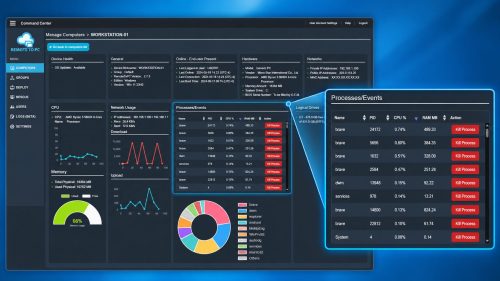
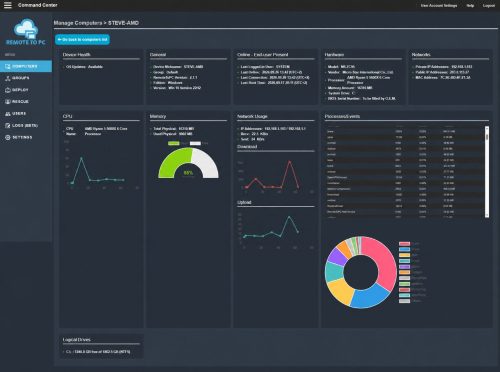
With RemoteToPC, technicians can open a remote desktop session when hands-on troubleshooting is needed. IT plans also provide remote management tools for checking system health and investigating problems without always opening the desktop.
How to Set Up Unattended Remote Support
Start by installing RemoteToPC’s host application on each computer you’re authorized to support. Add the computers to your account, set a strong access password, and confirm that you can connect before you need to provide support remotely.
For multiple computers, use clear device names and organize them into groups so technicians can find the right system quickly. On multi-user plans, assign access according to each person’s responsibilities.
The Windows and Mac setup steps below explain how to get started. For additional instructions, see the RemoteToPC help guides.
Setting Up Unattended Support on Multiple Computers
Embracing unattended support across several computers may initially seem daunting, but with the best remote desktop software, the process is straightforward. Here’s how to get everything up and running:
Steps for Host Computer Installation:
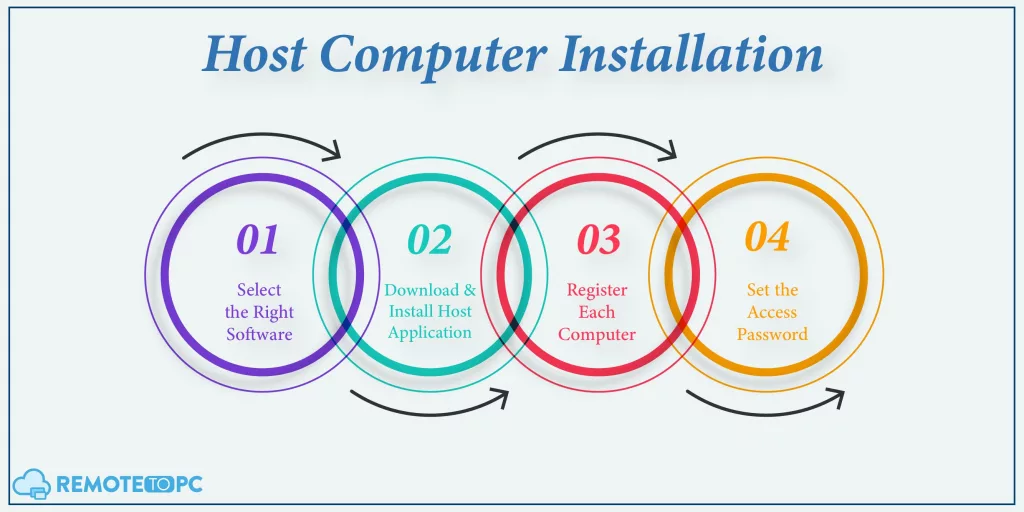
- Select the Right Software: Your first step is to choose a reliable unattended support solution. RemoteToPC stands out for its user-friendly approach and secure framework, making it an ideal choice for those new to remote support.
- Download and Install the Host Application: To begin monitoring and remotely accessing your computers, you must first add them as HOST computers. Start by going to the computer where you want to install RemoteToPC.
From there, log in to RemoteToPC’s Command Center using that computer and select “Add Host Computer.” A dialog box will appear on your screen. Simply click on “Download” to proceed.
- Register Each Computer: After installing the host application, the next step is to register each computer under your central account. This involves assigning a unique identifier to each computer, facilitating easy and secure connections whenever support is needed.
- Set the Access Password: The final step involves setting up an Access Password to finalize the installation. Choose an Access Password that’s easy for you to recall, as this will be needed to establish remote connections to this computer. Note that this password is distinct from any Microsoft access password.
After completing the installation and closing the setup, you’re all set. You will then find a link in your Command Center to access the host computer you’ve just added.
Steps for Mac Host Installation:
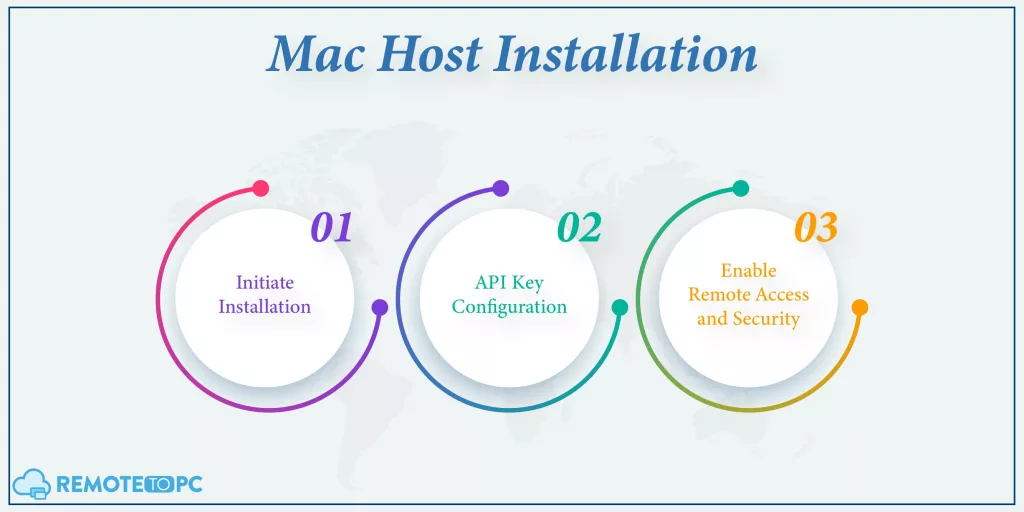
- Initiate Installation: Sign in to your RemoteToPC Command Center and select the “Add Host Computer” button. Download and install the software on your Mac, then copy the unique API key provided in the menu.
- API Key Configuration: Paste the copied API key into the designated field and click ‘save’
- Enable Remote Access and Security: Carefully follow the on-screen instructions to complete the setup:
- Click the “Open System Preferences” button and activate “Screen Sharing” to allow remote viewing and control of your Mac.
- Navigate to “Computer Settings” and tick the checkbox that permits you to create an access password.
- Set a memorable Access Password by entering it and clicking “OK.”
- Close the preferences tab, followed by closing the installation window.
Once these steps are completed, your Mac is fully set up for remote access via RemoteToPC. You can now easily connect to this Mac computer from the RemoteToPC platform, ensuring you have access whenever needed.
What to Consider When Choosing Unattended Support Software
Pricing for Your Computers and Team
Check how many computers, technician accounts, and simultaneous connections a plan includes. A low starting price may cover only part of what your team needs.
RemoteToPC uses computer-based pricing. Teams and IT plans include unlimited user accounts and remote sessions, while IT plans add monitoring and management features. Compare the RemoteToPC plans against the number of computers you need to support.
Setup and Everyday Management
Start with a few computers and test the tasks your technicians perform regularly: connecting, transferring files, switching between monitors, and reconnecting after a restart.
If you also need to investigate performance problems, review the remote management features. Checking system information and resource usage can help technicians decide what to investigate before opening a remote desktop session.
Security and Access Permissions
Unattended access should be limited to authorized users. Use strong, unique passwords, enable two-factor authentication, and assign technicians access only to the computers they need.
RemoteToPC provides encrypted connections, two-factor authentication, and a separate computer access password. Review its security features alongside your organization’s access policies, and remove access promptly when someone’s responsibilities change.
RemoteToPC: The Ultimate Unattended Support Solution
In the search for the best remote PC access solution, RemoteToPC shines as the top choice. It combines remote access technology with top-notch security, making it the go-to for secure remote access solutions. With us, you get smooth unattended remote access to unattended devices, perfect for busy users needing remote IT management without the fuss.
What sets us apart is the easy remote login to pc process and robust remote desktop services. After all, it’s designed for both remote assistance and remote desktop use, making remote work simpler and safer.
So, discover the ease and security of RemoteToPC for yourself and elevate your remote access experience today.

Frequently Asked Questions (FAQs)
How does Remote to PC make unattended support secure?
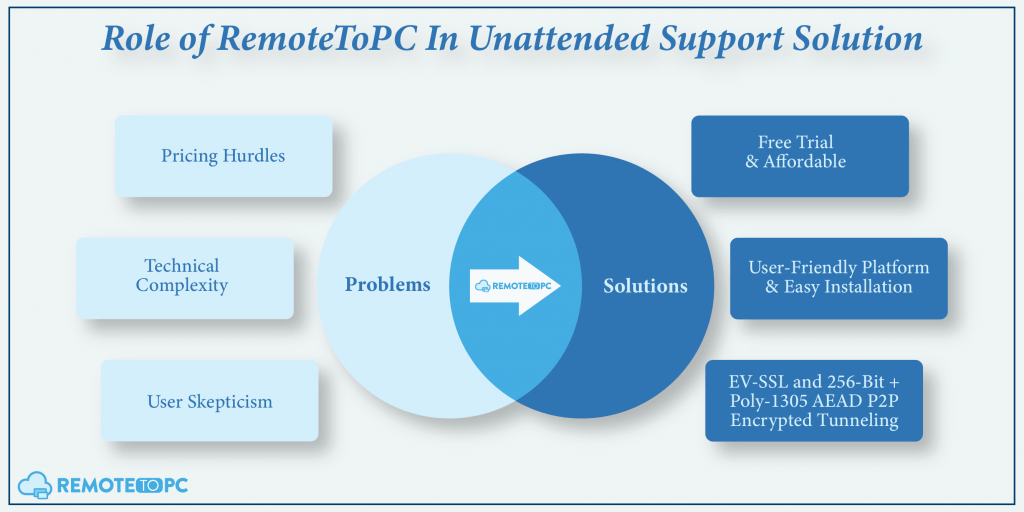
Remote to PC uses strong encryption, like EV-SSL and 256-Bit + Poly-1305 AEAD P2P, plus two-factor authentication for safe remote login to PC sessions.
Is it possible to manage multiple computers remotely with unattended support?
Yes, you can manage multiple computers remotely by setting up unattended access on each device, allowing for efficient remote IT management.
What’s the difference between remote assistance and unattended remote desktop access?
Remote assistance usually requires the end user’s presence to initiate a session, while unattended remote desktop access does not, enabling IT support without the user being present.
How can I transfer files using RemoteToPC?
Remote to PC supports remote desktop file transfer, allowing you to move files securely between your remote computer and the one you’re working from.
How do I start using Remote to PC for unattended remote access?
Sign up, install the host application on the computers you want to access, set a secure password, and you’re ready for unattended support.